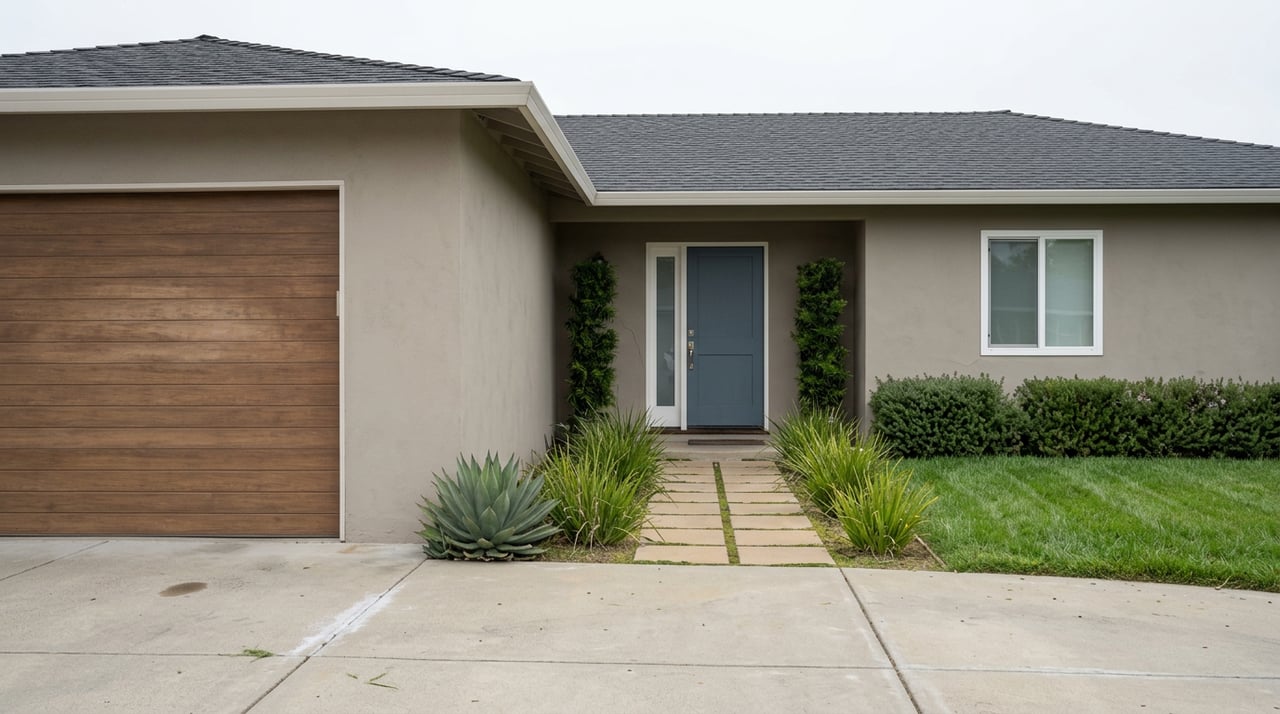
Every summer, a version of the same conversation happens in a rental near base housing. A service member checks the new Basic Allowance for Housing rate, does the math against a San Diego mortgage payment, and feels the relief of finally having room to compete. SD Cash Buyer reports that the 2026 BAH increase, 4.5 to 6 percent across pay grades, pushed an E-6 with dependents to roughly $4,100 a month in housing allowance, an E-7 to about $4,250, and an O-3 to close to $4,650. On paper, that is real buying power.
Then the offers start going out, and the same family loses three houses in a row to buyers who never touch a loan officer.
The instinct is to blame the loan. It is almost never the loan. The friction this year is timing, and it is worth understanding before you write an offer instead of after you have already lost one.
The Math That Looks Better Than It Used To
Start with what actually works in a VA buyer's favor right now. Full entitlement means no VA-imposed cap on the loan amount at all, a rule that has been in place since the Blue Water Navy Vietnam Veterans Act took effect on January 1, 2020. A funding fee is part of the VA financing picture. VA appraisal turnaround in San Diego County runs a typical 7 to 14 days, which is genuinely competitive with a conventional appraisal timeline. None of that is a myth. None of it is new information either.
What is new is the pressure this year's BAH raise is putting on a housing supply that has not moved.
Where the Story Breaks: The Appraisal Gap
A VA appraisal gap is the dollar difference between the VA appraiser's Notice of Value and the price you agreed to pay. The VA Loan Network gives an example: if the appraiser values a home at $380,000 and your contract says $400,000, that is a $20,000 gap. The VA loan only covers up to the appraised value, so the remaining $20,000 has to come from a renegotiated price, cash you bring to the table.
Gaps happen because appraisals are backward-looking by design. An appraiser prices a home against homes that already closed, not against what a buyer is willing to pay this week. When contract prices are climbing faster than the comps that support them, and that is exactly what a compressed, well-funded buying season produces, the appraisal and the offer stop agreeing with each other.
There is a built-in check on this called the Tidewater process. If an appraiser suspects the value will come in low, the lender gets a 48-hour window to submit additional supporting comps before the appraisal is finalized. From Tidewater notice to final value typically takes 3 to 5 business days. It is a real safeguard, but it only works if you have comps ready to hand over before the clock starts, not after.
The Submarkets Where This Is Playing Out Right Now
| Submarket | Where things stand (2026) | What that means for a VA offer |
|---|---|---|
| Chula Vista | Median around $797,000 | Dominates military buyer demand; the volume of BAH-backed offers is exactly what outruns comp data |
| Eastlake | Roughly $850,000 to $1.4 million | Newer construction, 15 to 35 minute commute to Naval Base San Diego, popular enough that recent sales get consumed fast |
| Oceanside | Roughly $700,000 to $800,000 | Closest off-base city to Camp Pendleton, heaviest military density, listing agents used to VA financing |
| Mira Mesa | Prices vary by product type | The most military-saturated civilian community near MCAS Miramar, where competition is constant rather than seasonal |
Across base-adjacent neighborhoods, homes priced under $850,000 have been averaging four offers within their first weekend during peak season. That is not a market where an appraiser's backward glance and a buyer's forward bid are likely to land on the same number.
The BAH increase did not make VA offers weaker. It made the market around VA offers move faster than the appraisal data that has to justify them.
Why the Timing Makes It Worse, Not Better
Here is the part that gets missed. Peak PCS season runs May 15 through August 31, and 60 to 70 percent of all annual military moves happen inside that roughly fifteen-week window. That means the entire BAH increase, all of it, is landing on demand that was already going to concentrate itself into the same handful of zip codes over the same few months.
A bigger housing allowance handed out evenly across the year would just lift what people can comfortably afford. A bigger housing allowance handed out to buyers who are all competing in the same base-adjacent submarkets during the same fifteen weeks does something different. It compresses more purchasing power into less time and fewer neighborhoods, and appraisal data, which lags real transactions by definition, cannot catch up inside a season that short. Wait times for on-base housing through Lincoln Military Housing run 6 to 12 months, sometimes stretching to two years, underscoring the constrained housing landscape in which the raise is playing out. The raise that was supposed to give VA buyers more room is instead accelerating the exact price movement that produces appraisal gaps.
Cash buyers do not carry this risk. They can close in 7 to 14 days with no financing contingency and often no appraisal contingency at all, which is why sellers gravitate toward them even when a VA offer is priced the same or higher.
What Actually Neutralizes a VA Offer in This Market
The fix is not convincing a seller that VA is fine. Most listing agents near Pendleton, Miramar, and the Navy bases already know it closes on a normal timeline. The fix is pricing in the gap risk before you compete, not after you are already in escrow.
- Decide your maximum gap coverage in cash before you write an offer, not after the Notice of Value comes back low
- Size earnest money at 1 to 3 percent of purchase price rather than a token deposit; a stronger deposit removes the "no skin in the game" objection
- Use an escalation clause with a defined ceiling so you stay competitive without guessing at what the next buyer might offer
- VA Loan Network says VA occupancy rules allow a short-term lease-back if you intend to occupy within 60 days of closing; offer one if the seller needs 30 to 60 days to vacate
- Have your agent pre-screen for Minimum Property Requirement issues before an appraiser flags them
None of these moves require waiving your inspection. Giving it up to look more competitive is not the trade that solves this problem.
Two Questions Worth Answering Directly
Does an appraisal gap mean the deal is dead? No. It means the appraised value came in below your contract price, and you can renegotiate the price down or cover the difference in cash.
Can a seller just refuse a VA offer outright? In a multiple-offer situation, the decision often comes down to perceived risk rather than anything written into the contract terms. That is precisely why the structure of the offer, not the loan program itself, is what needs to change.
If you are working orders right now with a report date somewhere in the next few months, the window to plan for this is the weeks before you start touring, not the weekend you find the house. Understanding BAH math is table stakes. Understanding why this year's raise is working against you in a handful of specific zip codes is what actually changes the outcome.
Tamara Krause has spent over two decades structuring offers for PCS and VA buyers across San Diego County's base-adjacent neighborhoods. If you are working against a report date this PCS season, let's connect and build an offer strategy before the next house you love goes to a cash buyer.
This article is general information, not legal, tax or financial advice. Consult a qualified professional about your situation.