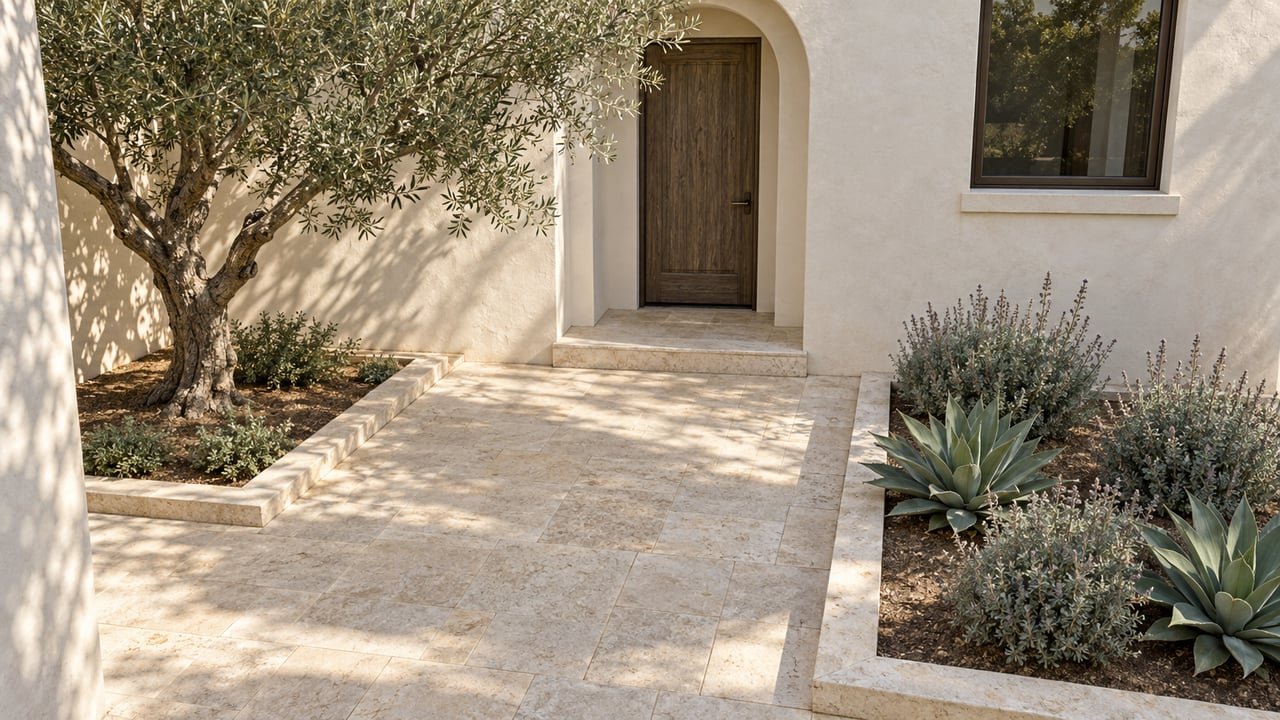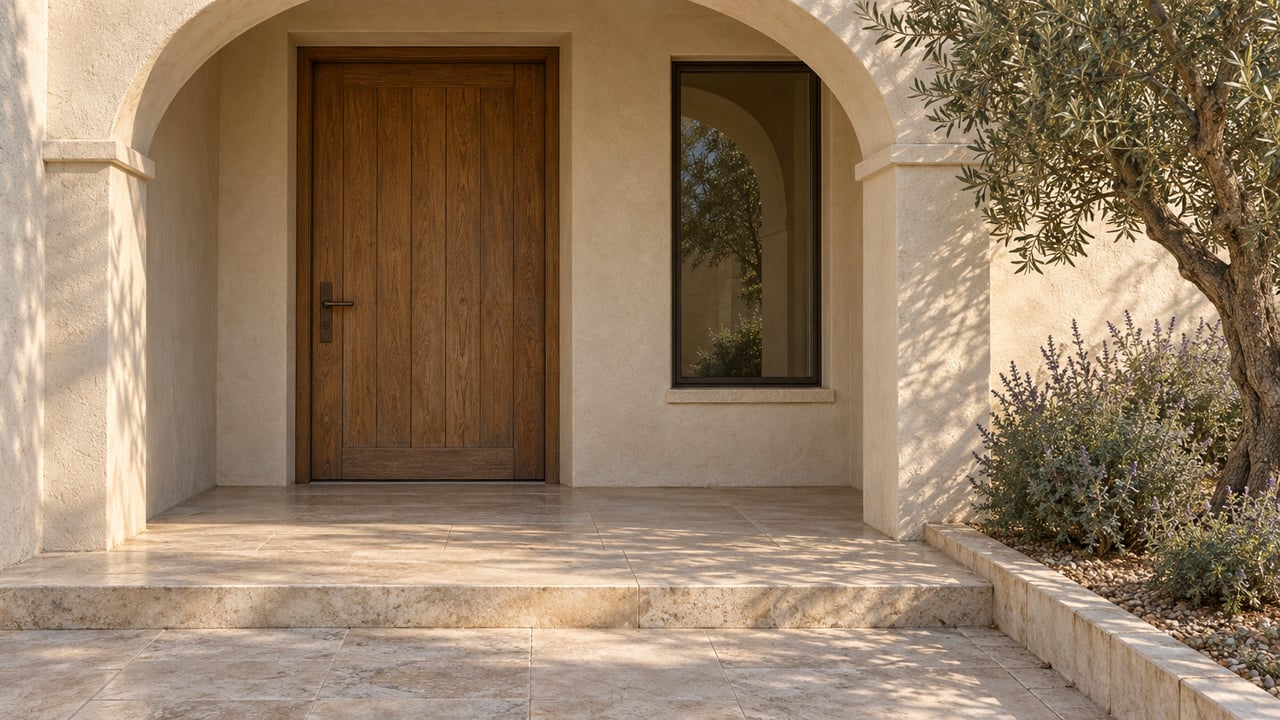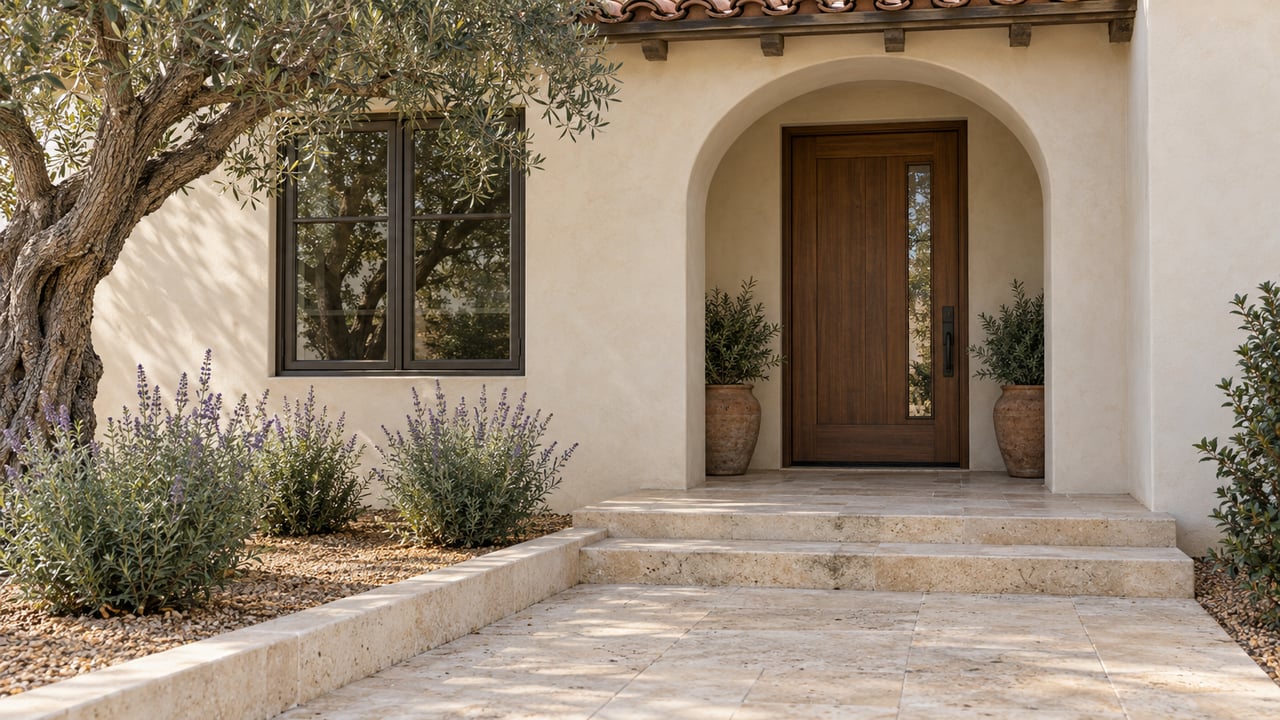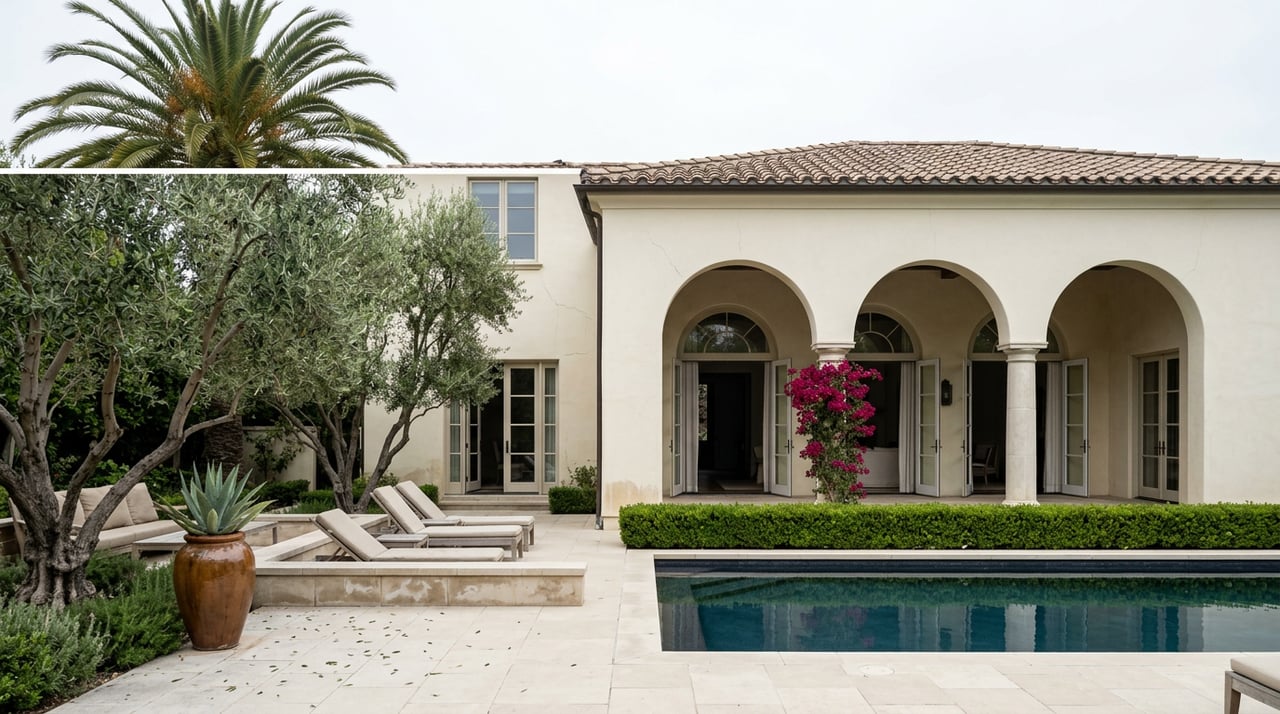
Two homes list at the same price in Carmel Valley. Same square footage, same finish level, same walk to One Paseo or Del Mar Highlands Town Center. A buyer assumes the total cost of owning either one is roughly the same. It isn't, and the gap has nothing to do with the house. It comes from a boundary that never appears on the listing photos, doesn't move with the market, and isn't tied to what the home is worth: the edge of an active Mello-Roos Community Facilities District.
What the Median Actually Averages Over
Carmel Valley's headline number, a median sale price around $1.7 million as of March 2026, sounds like a single market. It isn't. Within that same 92130 footprint, condos have traded around $719,000 while single-family homes have averaged closer to $2.3 million, according to market data reported that spring. Inventory has stayed tight enough that homes were selling at roughly 98 percent of list price with under a month of supply on the market, conditions that leave buyers little room to negotiate down a cost they didn't know to ask about before they were already in escrow.
A median blends a 1,200-square-foot condo near Carmel Country Road with a custom estate backing onto a canyon in Pacific Highlands Ranch. It also blends something less visible: which of these homes carries a recurring special tax obligation and which doesn't.
A Zip Code Governed by More Than One Line
Carmel Valley families deal with more overlapping public agencies than the neighborhood name suggests. Elementary and middle school students are split between the Solana Beach School District and the Del Mar Union School District, two separate agencies with their own boundaries, budgets, and bonding authority. High schoolers move into a third system, the San Dieguito Union High School District. None of these lines are visible from the street, and a listing description that mentions a school by name doesn't guarantee that's the school assigned to that specific parcel. Each district maintains its own boundary lookup tool by street address, and that tool, not the MLS remarks, is the only reliable source before you write an offer.
The Del Mar Union School District holds a AAA bond rating from Moody's, a distinction shared by only eight school districts statewide. That rating matters here for a specific reason: it means the district itself issues and services its own bonds, a separate financial layer from anything a Community Facilities District attaches to an individual home. A single Carmel Valley parcel can sit inside a school district that carries its own debt obligations and inside a CFD that carries a completely different one. They don't cancel each other out. They stack.
The Tax Line That Has Nothing to Do With What You Paid
Mello-Roos exists because of a gap Proposition 13 created in 1978. Once the state capped how fast property tax revenue could grow, cities and school districts lost their usual way to pay for the roads, sewers, and schools a new subdivision needs. The 1982 Mello-Roos Community Facilities Act gave them a workaround: form a Community Facilities District, sell bonds against future tax revenue, and collect a special tax on properties inside the district to repay those bonds.
That special tax is calculated through something called a Rate and Method of Apportionment, a formula specific to each district that typically weighs square footage, lot size, or land use category. It is not a percentage of what you paid for the house. Across San Diego County, these assessments typically run $1,000 to $5,000 a year, with newer master-planned tracts sometimes running $10,000 or more
Carmel Valley has a documented example of how this plays out over decades. According to a 2018 Del Mar Times report on Del Mar Union School District board discussion, Community Facilities District 99-1, which covers the Pacific Highlands Ranch area, had partially funded the land acquisition and construction of Sycamore Ridge School and was still collecting at that time toward a proposed elementary school in Pacific Highlands Ranch. As Superintendent Holly McClurg put it then, "none of our schools have been paid for through Mello-Roos money alone." That's the part buyers miss, whether the district discussion is from 2018 or today. A CFD contributing toward a school doesn't mean the school is free, and it doesn't mean the CFD ends once construction is done.
Same List Price, Different Monthly Number
Picture two Carmel Valley homes, both listed near $1.7 million. One sits in an established tract with no active CFD. The other sits inside a newer tract carrying an active Mello-Roos assessment of, say, $3,600 a year, or $300 a month. The purchase price on paper is identical, but the monthly cost of ownership is not.
Before writing an offer in Carmel Valley, a few questions are worth confirming at the parcel level rather than assuming from the listing:
| What to confirm | Where to confirm it |
|---|---|
| Exact school district and boundary assignment | The district's own boundary lookup by street address, not the listing description |
| Whether an active Mello-Roos CFD attaches to the parcel | The current county property tax bill, searchable by Assessor Parcel Number |
| CFD amount and escalation terms | The CFD's Rate and Method of Apportionment and bond statement, available from the County of San Diego Auditor and Controller |
| Years remaining on any bond | Bond documents from the CFD administrator |
| Other special assessments (fire, flood control, lighting) | The preliminary title report |
What This Means When You're Comparing Neighborhoods
Carmel Valley isn't one product wearing one price tag. Long-established interior tracts, newer construction toward Pacific Highlands Ranch and Torrey Highlands, and everything in between carry different vintages and different exposure to CFD financing. The neighborhood name on a listing tells you almost nothing about which of these you're actually buying into, and neither does the median price. The only number that tells you the truth is the one attached to that specific parcel's tax bill.
A Few Questions Buyers Ask
Does a Mello-Roos assessment ever get reflected in a lower purchase price? Sometimes, but not automatically. Compare actual sold comps rather than assuming the market has already priced in the difference.
Can I trust the school listed in a property description? Confirm independently through the relevant district's own boundary lookup tool by street address. Listing copy and even general neighborhood reputation can be wrong at the parcel level.
Does a Mello-Roos assessment eventually end? Usually, once the underlying bonds are repaid, but it's worth checking what the specific CFD funds before assuming a payoff date solves everything.
If you're comparing a specific Carmel Valley address against something else in San Diego County, the parcel number tells a more useful story than the listing sheet. Tamara Krause can pull the school boundary, the CFD status, and the actual tax history for any address you're considering before you write an offer. Let's Connect.
This article is general information, not legal, tax or financial advice. Consult a qualified professional about your situation.