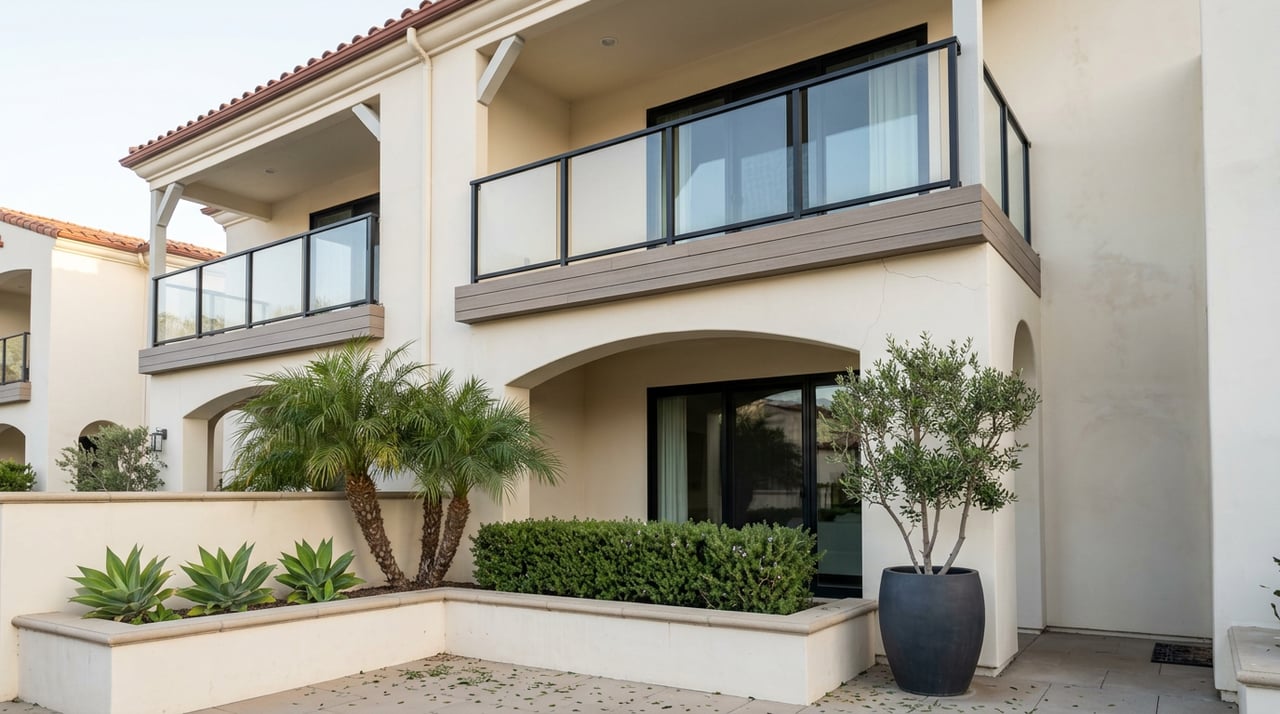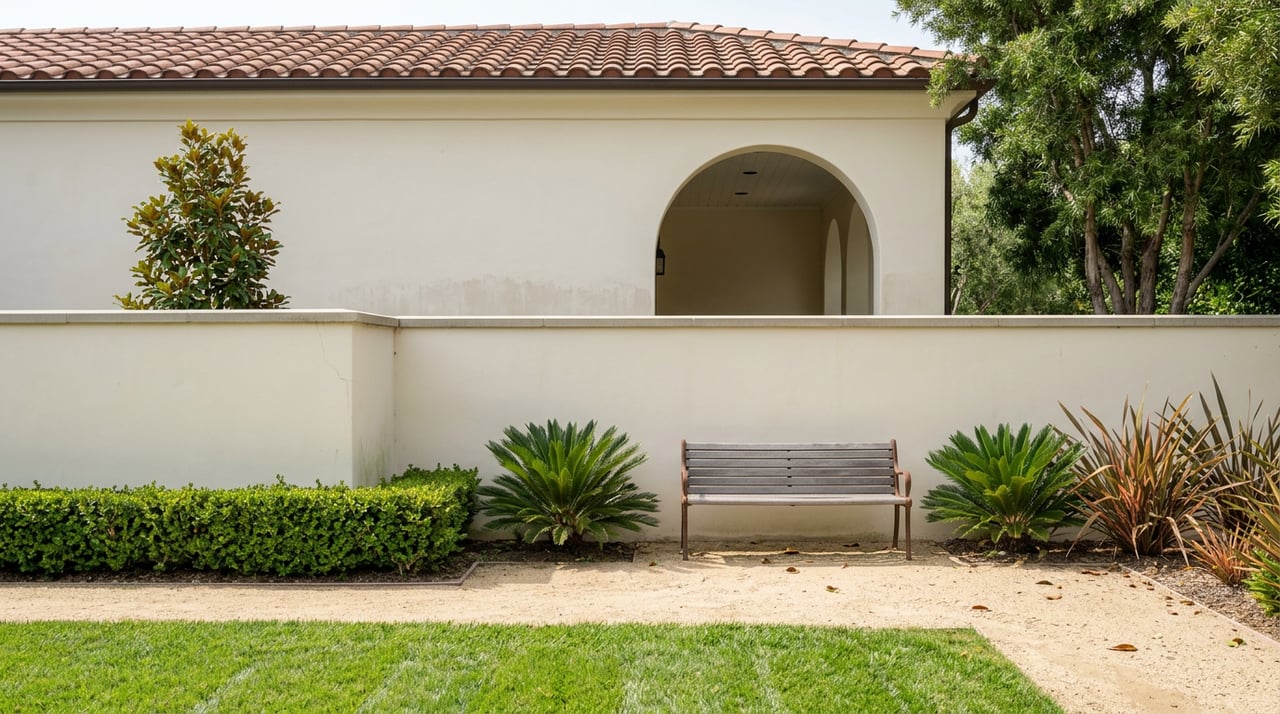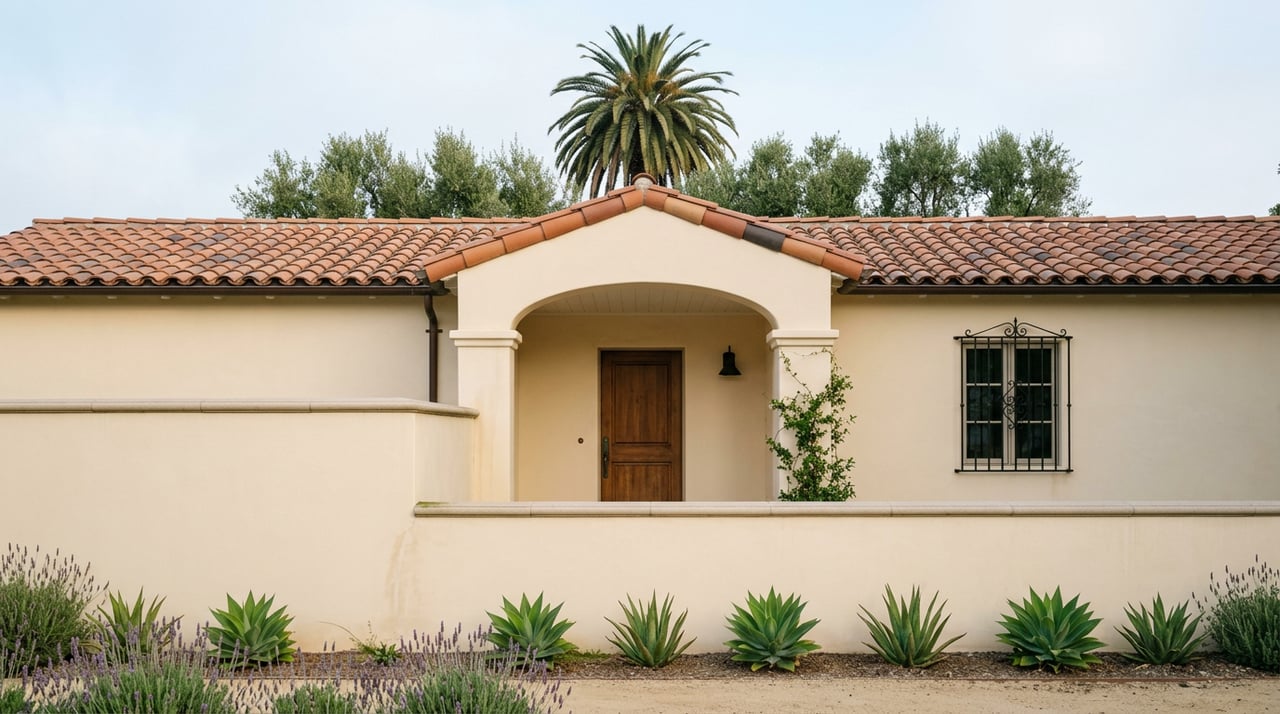
A seller in an Oaks North condo pays roughly $648 a month in HOA dues, a figure that covers everything from the roof over their head to the cable box in their living room. A seller in a detached Oaks North home a few streets away may pay no monthly fee at all, just a single annual master assessment in the neighborhood of $520 to $595 for access to the same community center. Both homes carry the same "Oaks North 55+" label on a listing sheet. Neither number tells a buyer what they actually need to know before they write an offer.
That gap, not the age restriction itself, is where 55+ sales in Rancho Bernardo tend to slow down. Buyers rarely balk at the idea of an age-qualified community. They balk at a fee they misread, a disclosure that doesn't match the actual governing documents, or a lender who won't touch their specific building. None of that shows up in the marketing copy. All of it shows up in escrow.
Two Communities, One Label
Rancho Bernardo has two principal age-restricted communities, and treating them as interchangeable is the first mistake. Oaks North is the larger of the two, a master association covering 14 separate residential areas and roughly 1,963 homes, split between 1,379 condominiums and 584 single-family houses built mostly between 1976 and 1987. Chapala is the only gated neighborhood within it. Seven Oaks is older and more compact, with ground broken in 1962 and 1,759 homes spread across single-family lots and five separately governed condo associations, each with its own board and its own paperwork.
Both are resale-only, meaning no new construction is coming into either community, which keeps the buyer pool focused on existing inventory rather than competing new-build product. That part is straightforward. The fee structure underneath it is not.
The Number That Isn't What It Looks Like
Here is where most of the confusion actually lives, and it starts inside Oaks North itself. A condo in a complex like Oaks North Village typically carries a monthly HOA fee around $648, which bundles high-speed internet, cable, water, sewer, trash, roof and exterior maintenance, common-area landscaping, and the master insurance policy. A detached home a few tracts over might carry a modest monthly fee closer to $80 to $90, while a detached home in yet another tract shows no monthly fee at all on the listing, just an annual master assessment somewhere between $520 and $595 that gets typed into the listing sheet the same way a monthly figure would. Three homes, three fee structures, one community name.
Seven Oaks adds a second layer to the same problem. Many of its detached homes also carry no monthly HOA fee, just a required annual assessment for community-center access, while its attached units answer to one of five independently governed condo associations, each setting its own dues on its own schedule.
| Community | Home Type | Typical Fee Structure |
|---|---|---|
| Oaks North | Attached condo | Monthly fee, often near $648, bundling utilities, exterior maintenance, and insurance |
| Oaks North | Detached single-family | Either a low monthly fee (roughly $80 to $90) or, in some tracts, an annual-only master assessment (roughly $520 to $595) |
| Seven Oaks | Detached single-family | Typically no monthly fee, an annual community-center assessment instead |
| Seven Oaks | Attached condo | Dues set independently by one of five separate condo associations |
A buyer who sees an annual figure like "$595 HOA" on a listing and assumes it's billed monthly will overstate their carrying cost more than tenfold and may walk before ever scheduling a showing. A buyer who assumes a detached Rancho Bernardo home has no fee at all, because a neighbor's tract does not, can be blindsided at underwriting when a different tract's real number surfaces. Sellers who get ahead of this by spelling out annual versus monthly plainly on the listing, and by attaching the actual HOA statement rather than a summary, remove the single most common point of confusion before it costs them a showing.
The Disclosure Nobody Reads Until Escrow
Age-restricted communities in California carry a specific disclosure obligation that goes beyond a standard HOA statement. Under California Civil Code Section 51.3, a seller in a community that restricts occupancy by age must include a written statement explaining that the restriction is enforceable only to the extent the statute permits, and must identify which specific provisions apply to that community. This is not boilerplate language a listing agent can copy from one file to the next. Oaks North and Seven Oaks structure their occupancy rules differently, and the disclosure has to reflect the community it actually describes.
Seven Oaks, for example, applies occupancy rules stricter than the federal minimum: at least one resident must be 55 or older, other residents generally must be at least 45 unless they qualify for an exception, and anyone under 45 is limited to 60 days of residency per year. A disclosure written for a generic 55+ community, without those specifics, leaves a gap that surfaces exactly when a buyer's attorney or title company reviews the file, which is the worst possible moment to discover it.
Financing Doesn't Treat Every Building the Same
The fee structure and the disclosure are paperwork problems. The financing issue is a deal problem. Some lending programs approved for condo purchases are not approved across every complex within Oaks North, meaning a buyer who has a lender lined up may find out midway through the process that their specific building isn't cleared for that loan product. That is not a pricing issue and it is not something a seller can fix once it surfaces. It is something a seller can get ahead of by confirming, before listing, which loan programs are currently approved for that specific sub-association, and sharing that information with agents bringing buyers through.
A Sign Rule That Has Nothing to Do With Any of This, But Still Matters
Rancho Bernardo's master-planned architectural standards extend even to real estate signage. For Sale and Open House signs throughout the community are limited to 9 by 12 inches, a detail rooted in the same CC&R tradition that governs everything from roofline color to landscaping. It won't affect a buyer's financing or a seller's disclosure obligations, but it will affect how a listing gets marketed on the ground, and it's worth knowing before ordering signage that won't be allowed to go up.
What This Means If You're Listing This Fall
For a seller in Oaks North or Seven Oaks preparing to list, a few steps in advance save real friction later:
- Order the escrow package directly from the community's business office rather than relying on a summary sheet, since the full package is what buyers and title companies will ultimately require.
- Confirm in writing whether the community's fee is billed monthly or annually, and state that plainly on the listing rather than leaving it to buyer assumption.
- Ask the association or a lender familiar with the specific complex whether current loan programs cover that building, before a buyer's financing stalls in escrow.
- Draft the Section 51.3 disclosure around the actual occupancy rules in the community's governing documents, not a generic age-restriction template.
- If the sale is part of a move to another California home, look into whether Proposition 19's base-year property tax transfer rules apply to the next purchase, since eligibility and deadlines are specific enough that a tax professional's input is worth the conversation.
None of these steps changes what a 55+ home in Rancho Bernardo is worth. They change whether a buyer who is genuinely qualified and genuinely interested makes it to closing without a surprise along the way.
A Few Questions Worth Answering Directly
Do I have to be 55 or older to sell my home in Oaks North or Seven Oaks? No. The age restriction governs occupancy, not ownership. A seller of any age can list and sell a home in either community.
Can these homes be rented out? It depends on the specific association's governing documents. Some HOAs prohibit rentals or leasing outright, and California law requires that prohibition be disclosed in writing if it exists, so this is worth confirming with the specific association before assuming either way.
Does the fee structure affect resale value, not just monthly cost? It affects how a buyer compares homes within and across these communities. A detached Oaks North home with no monthly fee and a $648-a-month Oaks North condo can carry the same list price and look identical on paper, but they carry very different long-term costs, which is exactly why the fee needs to be stated clearly rather than left for a buyer to guess at.
Selling in an age-restricted community rewards sellers who treat the paperwork as seriously as the price. If you're weighing a listing in Oaks North, Seven Oaks, or elsewhere in Rancho Bernardo and want a clear read on what your specific HOA requires before you go to market, Tamara Krause is glad to walk through it with you. Let's Connect.